

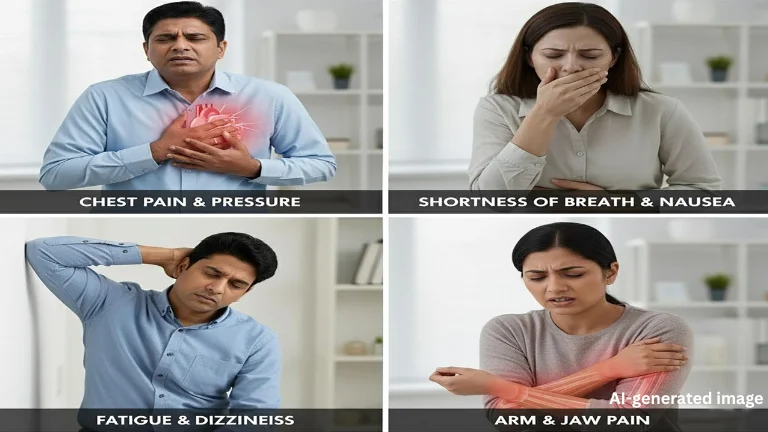
When it comes to your heart, every second counts. Most people assume heart attacks happen suddenly and without warning, but in reality, your body often gives subtle signals days or even weeks before a major cardiac event. Recognizing these heart attack warning signs early can make all the difference between life and death.
Whether you’re visiting a heart hospital, a cardiac clinic, or consulting with the best heart doctor in your city, understanding these warning signs can help you seek immediate medical care before it’s too late.
What Happens During a Heart Attack?
A heart attack (myocardial infarction) occurs when the blood flow to a part of the heart is blocked due to plaque buildup in the coronary arteries. This blockage prevents oxygen-rich blood from reaching the heart muscle, leading to tissue damage or death if not treated promptly.
While lifestyle changes and medications can reduce risk, knowing when to go to the hospital for chest pain or a rapid heart rate can save lives.
Early Heart Attack Symptoms You Shouldn’t Ignore
Most heart attacks start slowly, with mild pain or discomfort. Here are some early signs that could indicate something’s wrong:
1. Chest Discomfort or Pressure
A feeling of tightness, squeezing, or heaviness in the chest that lasts more than a few minutes or goes away and returns can signal a blocked artery. This is one of the most common and dangerous symptoms.
2. Pain Radiating to the Arm, Neck, or Jaw
If your chest pain spreads to your left arm, shoulder, neck, jaw, or back, it’s a red flag that your heart is in distress.
3. Shortness of Breath
Feeling breathless even at rest or after light physical activity can indicate your heart is struggling to pump efficiently.
4. Unexplained Fatigue
Women, in particular, may experience extreme tiredness days or weeks before a heart attack. If you feel exhausted without a clear reason, don’t ignore it.
5. Cold Sweats, Nausea, or Dizziness
Sweating profusely or feeling nauseated, dizzy, or lightheaded can point toward an oncoming cardiac episode.
When to Visit a Heart Hospital Immediately
If you experience any of the above symptoms, don’t wait — go to the nearest heart hospital or cardiac clinic immediately.
Time is crucial in heart care. The golden hour — the first 60 minutes after a heart attack — is when prompt medical treatment can drastically reduce damage to the heart muscle.
Look for the best heart hospital in Vadodara or search best cardiac hospital near you to find specialized cardiac care centers equipped with advanced technology and 24/7 emergency support.
Why Ignoring the Signs Can Be Fatal
Ignoring mild chest discomfort or fatigue could lead to severe cardiac complications like:
- Cardiac arrest
- Heart failure
- Permanent heart muscle damage
- Arrhythmia (irregular heartbeat)
The earlier you act, the higher your chances of survival and recovery.
Preventive Steps to Keep Your Heart Healthy
Taking preventive measures can significantly reduce the risk of a heart attack:
- Monitor Blood Pressure & Cholesterol: Regular checkups at a heart clinic can help detect early signs of heart disease.
- Eat a Heart-Healthy Diet: Reduce saturated fats, sugar, and sodium.
- Exercise Regularly: 30 minutes of brisk walking, 5 days a week, keeps your heart strong.
- Quit Smoking & Limit Alcohol: These are key risk factors for heart disease.
- Manage Stress: Meditation and yoga help lower blood pressure and improve circulation.
If you have diabetes, hypertension, or a family history of heart disease, schedule regular visits with the best heart doctor near you for ongoing evaluation.
Modern Non-Surgical Heart Treatment Options
Today, not every heart condition requires open-heart surgery. With advances in cardiac care, there are non-surgical heart treatments and non-invasive heart treatment options such as ESMR therapy, angioplasty, or lifestyle-based reversal programs that help improve blood flow and cardiac function.
Patients often choose heart treatment without bypass surgery to avoid surgical risks and long recovery periods.
Understanding the Difference Between a Heart Attack and Cardiac Arrest
While often used interchangeably, these are two distinct medical emergencies:
- Heart Attack: A circulation problem — when blood flow to the heart is blocked.
- Cardiac Arrest: An electrical issue — when the heart suddenly stops beating.
Both require immediate medical attention, but the treatments differ significantly.
Final Thoughts from Ayushman Heart & Wellness
At Ayushman Heart & Wellness, awareness is the first step to prevention. Our mission is to help individuals recognize symptoms early and access world-class cardiac care without delay.
If you ever experience unexplained chest discomfort, fatigue, or breathlessness — don’t ignore it. Visit your nearest heart hospital or contact our expert cardiac clinic for diagnosis, guidance, and treatment tailored to your needs.
Your heart deserves timely care — and at Ayushman Heart & Wellness, we’re here to ensure it gets just that.
