

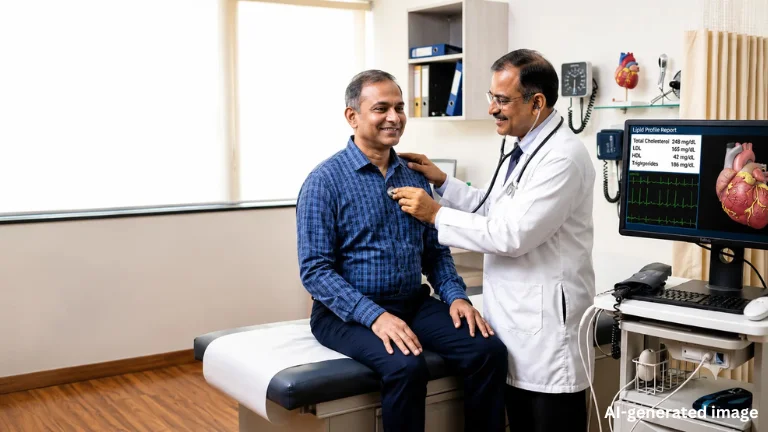
Yes. High cholesterol usually has no symptoms. Most people feel completely healthy until high cholesterol causes serious complications like a heart attack or stroke. That’s why regular cholesterol screening, a heart-healthy lifestyle, and timely medical care are essential for protecting your heart.
Why Is High Cholesterol Called a “Silent Condition”?
High cholesterol is often referred to as a silent condition because it doesn’t usually cause pain, discomfort, or noticeable warning signs. Cholesterol gradually builds up inside your arteries over many years. During this time, you may continue your daily routine without realizing your blood vessels are becoming narrower.
When cholesterol deposits (plaques) become severe, they can reduce blood flow or suddenly block an artery, leading to life-threatening emergencies.
This is why healthcare professionals recommend routine cholesterol testing even if you feel perfectly healthy.
What Is High Cholesterol?
High cholesterol occurs when there is too much cholesterol circulating in your blood. While your body needs cholesterol to build healthy cells and produce hormones, excessive amounts—especially LDL (low-density lipoprotein)—can accumulate inside artery walls.
There are four important measurements in a lipid profile:
- Total cholesterol
- LDL (bad cholesterol)
- HDL (good cholesterol)
- Triglycerides
Maintaining a healthy balance helps reduce the risk of cardiovascular disease.
Why Doesn’t High Cholesterol Cause Symptoms?
Unlike infections or injuries, cholesterol doesn’t directly affect nerves or muscles. Instead, it slowly damages blood vessels from the inside.
As plaque develops:
- Arteries become narrower.
- Blood flow decreases.
- The heart must work harder.
- Oxygen supply to the organs may be reduced.
These changes happen gradually, often over decades, making high cholesterol difficult to detect without a blood test.
Can High Cholesterol Ever Cause Symptoms?
The cholesterol itself usually doesn’t cause symptoms.
However, advanced cholesterol buildup may eventually lead to complications such as:
Chest Pain (Angina)
Reduced blood flow to the heart may cause pressure or discomfort during physical activity.
Heart Attack
A blocked coronary artery can lead to:
- Severe chest pain
- Pain spreading to the arm, jaw, or back
- Sweating
- Shortness of breath
- Nausea
Stroke
If cholesterol blocks blood vessels supplying the brain, symptoms may include:
- Sudden weakness
- Difficulty speaking
- Facial drooping
- Vision changes
- Loss of balance
These are not symptoms of cholesterol itself—they are symptoms of the damage caused by untreated high cholesterol.
Who Is at Higher Risk of High Cholesterol?
Several factors increase the likelihood of developing high cholesterol.
Lifestyle Factors
- A diet high in saturated and trans fats
- Lack of physical activity
- Smoking
- Excess alcohol consumption
- Obesity
Medical Conditions
- Diabetes
- High blood pressure
- Kidney disease
- Thyroid disorders
Family History
Some people inherit a condition called familial hypercholesterolemia, which causes extremely high cholesterol from a young age.
Age
The risk generally increases as people get older.
How Is High Cholesterol Diagnosed?
The only reliable way to detect high cholesterol is through a lipid profile blood test.
Your doctor may recommend screening based on:
- Age
- Family history
- Existing medical conditions
- Cardiovascular risk factors
Even healthy individuals should have their cholesterol checked periodically because symptoms are usually absent.
How Often Should You Get Your Cholesterol Checked?
The ideal screening schedule depends on your age and risk profile.
Generally:
- Healthy adults should undergo regular cholesterol screening.
- People with diabetes, hypertension, obesity, or a family history may need more frequent testing.
- Those already taking cholesterol-lowering medications require regular follow-up monitoring.
A cardiologist can recommend the most appropriate testing interval for your individual health.
How Can You Lower High Cholesterol Naturally?
Many people can significantly improve their cholesterol levels through healthy lifestyle changes.
Eat a Heart-Healthy Diet
Focus on:
- Fruits
- Vegetables
- Whole grains
- Oats
- Nuts
- Seeds
- Fish rich in omega-3 fatty acids
- Healthy oils in moderation
Reduce intake of:
- Fried foods
- Processed snacks
- Sugary beverages
- Fatty red meat
- Processed meat
Exercise Regularly
Aim for at least 150 minutes of moderate physical activity each week, such as:
- Brisk walking
- Cycling
- Swimming
- Jogging
Regular exercise can help lower LDL cholesterol while increasing HDL cholesterol.
Maintain a Healthy Weight
Even modest weight loss may improve cholesterol levels and reduce overall cardiovascular risk.
Avoid Smoking
Smoking lowers good cholesterol and damages blood vessels, increasing the risk of heart disease.
Limit Alcohol
Excessive alcohol intake may raise triglyceride levels and contribute to heart problems.
When Are Cholesterol Medicines Needed?
Lifestyle improvements remain the foundation of treatment.
However, your doctor may recommend cholesterol-lowering medications if:
- LDL cholesterol is very high.
- Lifestyle changes are insufficient.
- You have diabetes.
- You have existing heart disease.
- Your overall cardiovascular risk is elevated.
Never start or stop medications without consulting a qualified healthcare professional.
Why Early Detection Matters
High cholesterol can remain unnoticed for years, but its effects continue silently inside the arteries.
Early diagnosis helps:
- Prevent heart attacks
- Reduce stroke risk
- Improve long-term heart health
- Avoid expensive emergency treatment
- Support healthier aging
Routine screening allows treatment before complications develop.
When Should You See a Cardiologist?
You should consider consulting a cardiologist if you:
- Have a family history of heart disease
- Have diabetes or high blood pressure
- Are overweight
- Smoke
- Have previously elevated cholesterol levels
- Experience chest discomfort or breathlessness
- Are over 40 and haven’t had a cholesterol test recently
At Ayushman Heart & Wellness, experienced specialists evaluate your cardiovascular risk and recommend personalized strategies for prevention, diagnosis, and treatment.
Final Thoughts
High cholesterol is one of the most common yet overlooked risk factors for heart disease because it rarely causes symptoms. Feeling healthy does not necessarily mean your cholesterol levels are normal.
The only way to know your cholesterol status is through regular blood testing. Early detection, healthy lifestyle habits, and appropriate medical care can significantly reduce your risk of heart attack and stroke.
For trusted, evidence-based information about cholesterol, you can also read the Centers for Disease Control and Prevention’s guide on cholesterol, which explains risk factors, testing, and prevention in detail.
Frequently Asked Questions
1. Can you have high cholesterol without feeling sick?
Yes. Most people with high cholesterol experience no symptoms until serious complications occur.
2. What is the first sign of high cholesterol?
Usually, there are no early signs. A heart attack or stroke may be the first indication if cholesterol remains untreated.
3. Can young adults have high cholesterol?
Yes. Genetics, unhealthy eating habits, obesity, and lack of exercise can cause high cholesterol at a young age.
4. How is high cholesterol detected?
A fasting or non-fasting lipid profile blood test is the standard method for diagnosis.
5. Can exercise reduce high cholesterol?
Yes. Regular physical activity helps lower LDL cholesterol, raise HDL cholesterol, and improve overall heart health.
6. Is medication always necessary for high cholesterol?
Not always. Many people improve with lifestyle changes, while others may need medication depending on their cholesterol levels and overall cardiovascular risk.
