

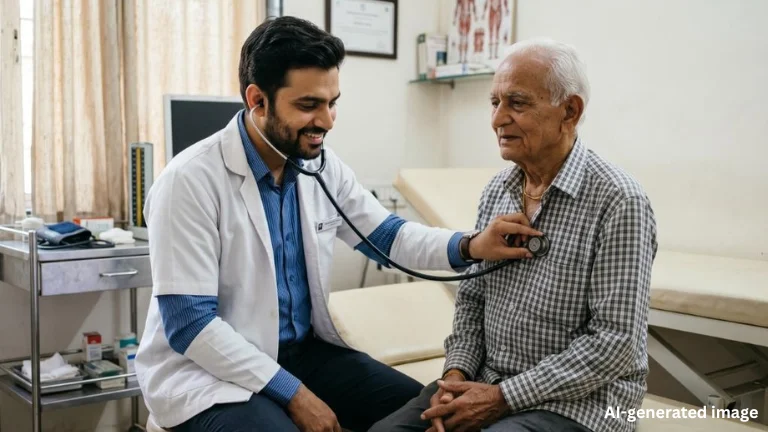
Most people wait for a serious symptom before thinking about their heart—but the body often gives subtle signals much earlier.
If you’ve been ignoring small changes like fatigue, breathlessness, or chest discomfort, it might be time to ask: “Do I need a Heart Checkup Test?”
A timely Heart Checkup Test can help detect problems before they become serious. Whether it’s a basic heart checkup or a complete heart checkup, early attention can make a big difference.
Let’s look at the warning signs you shouldn’t ignore.
Why Is a Heart Checkup Test Important Even If You Feel Fine?
Heart-related issues don’t always show clear symptoms in the beginning.
A Heart Checkup Test helps:
- Detect hidden heart conditions
- Monitor blood pressure and cholesterol
- Identify early risk factors
- Prevent serious complications
Instead of waiting for a major issue, regular screening helps you stay ahead.
1. Are You Experiencing Frequent Chest Discomfort?
One of the most common warning signs.
Chest discomfort may feel like:
- Tightness
- Pressure
- Burning sensation
Even mild or occasional discomfort can signal underlying issues and should not be ignored.
2. Do You Feel Shortness of Breath During Normal Activities?
If simple activities like walking or climbing stairs leave you breathless, it could be a sign your heart isn’t functioning efficiently.
This is often one of the earliest indicators that you may need a full heart checkup.
3. Are You Constantly Feeling Fatigued Without Reason?
Feeling tired occasionally is normal—but persistent fatigue is not.
If you’re asking, “Why am I always tired even without heavy work?”, it may be linked to reduced blood flow or heart inefficiency.
4. Do You Experience Irregular Heartbeats or Palpitations?
Heart palpitations feel like:
- Racing heartbeat
- Skipping beats
- Fluttering sensation
Occasional palpitations can be harmless, but frequent episodes should be evaluated through a Heart Checkup Test.
5. Is Your Blood Pressure Frequently High?
High blood pressure is often called a “silent condition.”
If left unchecked, it can lead to:
- Heart disease
- Stroke
- Long-term complications
Regular monitoring through a basic heart checkup is essential.
6. Do You Have Unexplained Dizziness or Lightheadedness?
Feeling dizzy or faint can indicate:
- Poor blood circulation
- Irregular heart rhythm
- Low blood flow to the brain
This is a sign that should never be ignored.
7. Are You Experiencing Pain in the Arms, Neck, or Jaw?
Heart-related pain doesn’t always stay in the chest.
It can radiate to:
- Left arm
- Neck
- Jaw
- Back
If you notice this pattern, it’s important to consider a complete heart checkup.
8. Do You Sweat Excessively Without Physical Activity?
Unusual sweating, especially when combined with other symptoms, can be a warning sign.
This may indicate your body is under stress due to heart-related issues.
9. Do You Have a Family History of Heart Disease?
If heart disease runs in your family, your risk increases.
Even without symptoms, regular screening becomes important.
A Heart Checkup Test can help monitor your risk factors early.
10. Are You Living a Sedentary or High-Stress Lifestyle?
Modern lifestyles can silently affect heart health.
Risk factors include:
- Lack of physical activity
- Poor diet
- High stress levels
- Smoking or alcohol consumption
If these apply to you, a full heart checkup is highly recommended.
What Tests Are Included in a Heart Checkup Test?
If you’re wondering “what does a heart checkup include?”, here are the common tests:
- ECG (Electrocardiogram)
- Blood pressure monitoring
- Lipid profile (cholesterol test)
- Blood sugar test
- Stress test (if required)
These tests help evaluate overall heart health.
How Often Should You Get a Heart Checkup?
Frequency depends on your age and risk factors.
General guideline:
- Under 30 → every 2–3 years
- 30–45 → every 1–2 years
- 45+ → yearly checkups
If you have symptoms, don’t wait—get tested sooner.
Can a Heart Checkup Detect Problems Early?
Yes—and that’s its biggest advantage.
A Heart Checkup Test can help detect:
- Blockages
- High cholesterol
- Irregular heart rhythm
- Early signs of heart disease
Early detection means better treatment and prevention.
How to Prepare for a Heart Checkup Test?
To ensure accurate results:
- Avoid heavy meals before testing
- Stay hydrated
- Inform your doctor about medications
- Follow fasting instructions if required
Proper preparation improves test reliability.
How to Choose the Right Place for a Heart Checkup?
If you’re searching “best place for heart checkup near me”, look for:
- Comprehensive test coverage
- Experienced medical professionals
- Accurate diagnostic facilities
Don’t Wait for a Warning—Act on It
Your heart rarely fails suddenly—it gives signals along the way.
Recognizing these signs early and opting for a Heart Checkup Test can help you:
- Stay informed about your health
- Prevent serious complications
- Take control before it’s too late
With expert diagnostic support from Ayushman Heart and Wellness, prioritizing your heart health becomes easier and more proactive.
👉 Because the strongest hearts are the ones that are regularly checked.
