

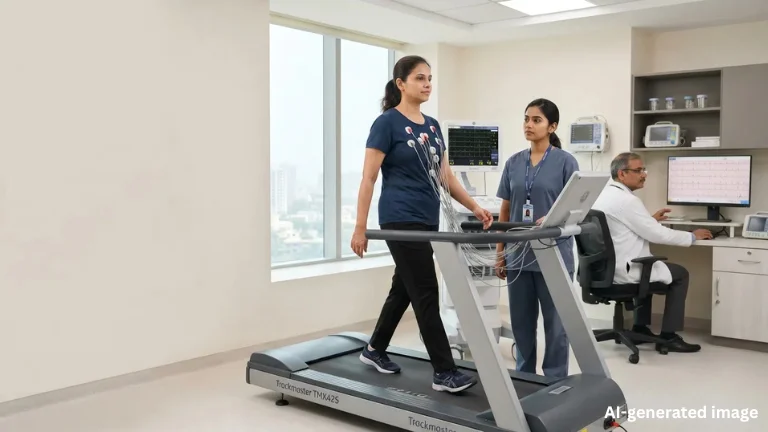
The best clothing for a treadmill test is comfortable, loose-fitting exercise wear and supportive walking or running shoes with rubber soles. Avoid tight clothing, sandals, high heels, jewellery, and anything that restricts movement or interferes with ECG electrodes.
Choosing the right outfit helps you walk comfortably during the test and allows healthcare professionals to place monitoring equipment correctly, ensuring accurate results.
Introduction
A treadmill test, also called an exercise stress test, evaluates how well your heart functions while you exercise. During the procedure, you’ll walk on a treadmill while your heart rate, blood pressure, and ECG are continuously monitored.
Many people focus on the medical preparation but overlook something equally important—what to wear. Wearing appropriate clothing can make the experience more comfortable and help ensure accurate monitoring throughout the test.
This guide explains exactly what to wear, what to avoid, and other simple preparation tips before your appointment.
Why Your Clothing Matters During a Treadmill Test
Your clothing directly affects both your comfort and the quality of the examination.
Proper attire helps by:
- Allowing free body movement
- Making it easier to attach ECG electrodes
- Preventing overheating
- Reducing discomfort while walking or jogging
- Improving the accuracy of heart monitoring
Since the treadmill gradually increases in speed and incline, you’ll likely sweat during the procedure. Comfortable clothing helps you perform naturally without distractions.
What Should You Wear for a Treadmill Test?
1. Wear Comfortable Exercise Clothing
Choose lightweight, breathable clothes similar to what you would wear for a brisk walk or light workout.
Good choices include:
- T-shirt
- Polo shirt
- Moisture-wicking sports top
- Track pants
- Joggers
- Athletic shorts (if comfortable)
Avoid stiff fabrics or heavy clothing that may become uncomfortable as your body temperature rises.
2. Wear Proper Athletic Shoes
Supportive footwear is one of the most important parts of your preparation.
Ideal shoes include:
- Walking shoes
- Running shoes
- Athletic trainers
Your shoes should have:
- Rubber soles
- Good grip
- Comfortable cushioning
- Proper ankle support
Avoid:
- Sandals
- Slippers
- Flip-flops
- High heels
- Formal shoes
- Boots
Poor footwear increases the risk of slipping or discomfort during the test.
3. Choose Clothing That Allows ECG Electrode Placement
Small adhesive electrodes are placed on your chest to monitor your heart’s electrical activity.
Wear clothing that can be removed or adjusted easily if necessary.
For women:
- A two-piece outfit is generally more convenient than a dress.
- A sports bra or a comfortable bra often works well.
For men:
- Be prepared to remove your shirt briefly while electrodes are attached.
Medical staff will ensure your privacy throughout the process.
4. Dress According to the Room Temperature
Testing rooms are usually climate-controlled, but you’ll become warmer as the treadmill speed increases.
Wear breathable layers that are easy to remove before the test begins.
Avoid:
- Heavy jackets
- Thick sweaters
- Bulky hoodies
What Should You Avoid Wearing?
Certain clothing and accessories may interfere with the procedure.
Avoid:
- Tight jeans
- Restrictive dresses
- Heavy belts
- Long scarves
- Large necklaces
- Dangling earrings
- Smartwatches (if instructed to remove them)
- Multiple bracelets
- High heels
- Loose slippers
These items can make movement difficult or interfere with monitoring equipment.
Should You Wear Makeup, Lotions, or Oils?
It’s best to avoid applying lotions, oils, or heavy creams on your chest before the test.
These products may prevent ECG electrodes from sticking properly, leading to poor signal quality.
Light makeup is generally acceptable, but avoid excessive body oils or moisturisers on the upper body.
Additional Preparation Tips for a Treadmill Test
Besides wearing suitable clothing, follow these recommendations:
- Eat Light
Have a light meal if instructed by your healthcare provider. Avoid heavy meals immediately before the test.
- Stay Hydrated
Drink water unless you’ve received different instructions.
- Take Medications Only as Directed
Some heart medications may need temporary adjustment before the test. Never stop medication without medical advice.
- Arrive Early
Arriving 15–20 minutes early gives enough time for registration, changing if necessary, and electrode placement.
- Bring Your Medical Information
Carry:
- Current medication list
- Previous ECG reports (if available)
- Doctor’s referral
- Health insurance documents (if required)
What Happens During the Test?
Knowing the process can reduce anxiety.
The typical treadmill test includes:
- ECG electrodes are attached to your chest.
- A blood pressure cuff is placed on your arm.
- You’ll begin walking slowly.
- The treadmill gradually becomes faster and steeper.
- Your heart rhythm, blood pressure, and symptoms are continuously monitored.
- After exercise, you’ll enter a recovery period while monitoring continues.
The entire appointment usually takes around 30 to 60 minutes, while the exercise portion often lasts 8 to 15 minutes, depending on your fitness level and medical condition.
Can You Exercise Immediately After the Test?
Most people can resume normal activities shortly after completing the test, provided their healthcare provider approves.
If you experience:
- Chest pain
- Severe dizziness
- Shortness of breath
- Unusual fatigue
Inform the medical team immediately before leaving the clinic.
Final Thoughts
Wearing the right clothing for a treadmill test is a simple but important part of your preparation. Comfortable exercise clothes, supportive athletic shoes, and clothing that allows easy ECG monitoring help make the test smoother and more accurate.
Following your healthcare provider’s instructions, arriving prepared, and choosing appropriate attire can help you complete the procedure comfortably while ensuring reliable test results.
Frequently Asked Questions (FAQs)
1. Can I wear jeans for a treadmill test?
No. Jeans restrict movement and can become uncomfortable during exercise. Athletic wear or loose-fitting clothing is recommended.
2. What shoes are best for a treadmill test?
Walking shoes, running shoes, or athletic trainers with rubber soles and good grip are the best options.
3. Should I remove jewellery before the test?
Yes. Large necklaces, bracelets, watches, and dangling earrings should be removed if they interfere with monitoring equipment or exercise.
4. Can I wear a dress during a treadmill test?
It’s generally better to wear a two-piece outfit such as a T-shirt and track pants because ECG electrodes need to be placed on the chest.
5. Do I need to bring extra clothes?
An extra T-shirt can be helpful if you expect to sweat during the treadmill test, although it’s not usually required.
