

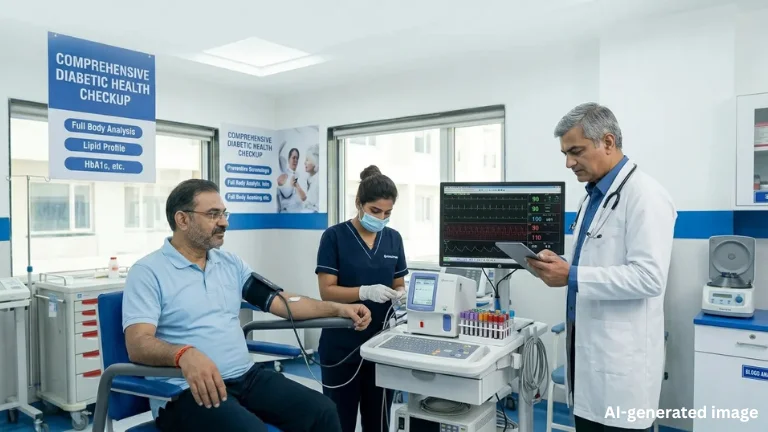
Living with diabetes is not only about monitoring blood sugar levels. Over time, diabetes can quietly affect the heart, kidneys, eyes, nerves, liver, and overall metabolic health without showing immediate symptoms. This is why doctors strongly recommend a Full Body Checkup for Diabetic Patients as part of regular preventive healthcare.
Many people focus only on glucose readings while ignoring other important health markers that may indicate early complications. A complete body checkup for diabetes helps identify hidden risks early, supports better disease management, and improves long-term health outcomes.
At Ayushman Heart & Wellness, preventive screening and routine diabetic wellness evaluations are often encouraged to help patients monitor overall health beyond sugar levels alone.
Why Is a Full Body Checkup Important for Diabetic Patients?
Diabetes is a metabolic condition that may gradually affect multiple organs and body systems if not properly monitored. Even when blood sugar appears controlled, silent complications can still develop internally.
A Full Body Checkup for Diabetic Patients helps:
- Detect complications early
- Monitor organ function
- Reduce long-term health risks
- Evaluate heart health
- Check kidney and liver function
- Assess cholesterol and blood pressure
- Improve overall diabetes management
Many people search online for:
- best health checkup for diabetic patients
- diabetes full body test list
- annual tests for diabetes patients
- important tests for diabetics
- diabetic health screening package
These concerns highlight the growing awareness around preventive diabetic care.
What Does a Full Body Checkup for Diabetic Patients Include?
A diabetic full-body checkup usually includes multiple tests designed to evaluate overall metabolic and organ health.
Common tests may include:
- Blood sugar testing
- HbA1c test
- Lipid profile
- Kidney function tests
- Liver function tests
- Blood pressure monitoring
- ECG or heart screening
- Urine analysis
- Eye examination
- Foot examination
The exact tests may vary depending on age, symptoms, medical history, and diabetes duration.
Why is the HbA1c Test Important for Diabetes Monitoring?
One of the most commonly recommended tests during a body checkup for diabetes is the HbA1c test.
What Does HbA1c Measure?
HbA1c measures average blood sugar levels over the past 2–3 months rather than a single-day glucose reading. It provides a clearer picture of long-term diabetes management.
Doctors use HbA1c levels to:
- Evaluate diabetes control
- Adjust treatment plans
- Monitor medication effectiveness
- Assess risk of complications
Many diabetic patients only check fasting sugar regularly and ignore HbA1c testing, which may lead to incomplete monitoring.
How Does Diabetes Affect Heart Health?
Diabetes and heart health are closely connected.
Why Should Diabetic Patients Get Regular Heart Checkups?
High blood sugar may gradually damage blood vessels and increase the risk of:
- Heart disease
- High blood pressure
- Stroke
- Poor circulation
- Coronary artery disease
This is why heart screening is often included in a Full Body Checkup for Diabetic Patients.
Doctors may recommend:
- ECG
- Blood pressure monitoring
- Lipid profile
- Cardiac risk assessment
- Stress testing in some cases
Preventive heart evaluation becomes even more important for diabetic individuals with obesity, cholesterol imbalance, smoking history, or family history of heart disease.
Why Are Kidney Function Tests Important in Diabetes?
Kidneys are among the organs most commonly affected by long-term diabetes.
Can Diabetes Damage Kidneys Without Symptoms?
Yes. Early diabetic kidney damage often develops silently without noticeable warning signs.
Kidney tests included in a diabetic health checkup may help evaluate:
- Creatinine levels
- Kidney filtration rate
- Urine protein levels
- Electrolyte balance
Detecting kidney changes early may help improve long-term management and reduce complications.
Should Diabetic Patients Get Regular Eye Checkups?
Another highly searched question is:
How Does Diabetes Affect Vision?
High blood sugar may affect blood vessels in the eyes and increase the risk of diabetic retinopathy, blurred vision, or other eye-related complications.
Regular eye examinations help:
- Detect retinal damage early
- Monitor vision changes
- Prevent severe eye complications
- Support long-term eye health
Even individuals without obvious vision problems are often advised to undergo periodic diabetic eye screening.
Why Is Cholesterol Testing Necessary for Diabetic Patients?
Diabetes and cholesterol imbalance frequently occur together.
What Is the Link Between Diabetes and Cholesterol?
Uncontrolled diabetes may increase unhealthy cholesterol levels and contribute to plaque buildup inside blood vessels.
A lipid profile test usually measures:
- HDL cholesterol
- LDL cholesterol
- Triglycerides
- Total cholesterol
Monitoring cholesterol is important because diabetic individuals may have increased cardiovascular risk even without obvious symptoms.
Can Diabetes Affect Liver Health?
Yes, diabetes may also influence liver function and metabolic balance.
Why Is Liver Function Testing Included in a Body Checkup for Diabetes?
Fatty liver disease is commonly associated with diabetes, obesity, insulin resistance, and metabolic syndrome.
Liver function tests may help monitor:
- Liver enzymes
- Fat metabolism
- Metabolic health
- Overall organ function
Early lifestyle intervention may help improve long-term liver wellness.
Why Are Foot Examinations Important for Diabetic Patients?
Foot care is often overlooked in diabetes management.
How Can Diabetes Affect Feet and Nerves?
High blood sugar may gradually damage nerves and circulation, leading to:
- Numbness
- Tingling
- Delayed wound healing
- Foot ulcers
- Reduced sensation
Routine diabetic foot examinations help identify circulation or nerve-related issues before they become severe.
How Often Should Diabetic Patients Get a Full Body Checkup?
The frequency of a Full Body Checkup for Diabetic Patients depends on:
- Age
- Diabetes duration
- Blood sugar control
- Existing complications
- Lifestyle habits
- Medical history
Many doctors recommend:
- HbA1c every few months
- Annual eye and kidney screening
- Regular cholesterol monitoring
- Routine blood pressure evaluation
Preventive screening schedules may vary from person to person.
At Ayushman Heart & Wellness, diabetic wellness evaluations are often approached with a preventive health mindset focused on early detection and long-term monitoring.
What Happens If Diabetic Health Checkups Are Ignored?
Skipping regular diabetic screening may delay the detection of complications that often progress silently.
Without routine monitoring, diabetes-related issues may gradually affect:
- Heart health
- Kidney function
- Vision
- Nerve health
- Blood circulation
- Overall metabolic wellness
Many complications become easier to manage when identified early through preventive testing and lifestyle awareness.
Smarter Diabetes Care Starts With Preventive Health Monitoring
Managing diabetes effectively requires more than occasional sugar testing. A proper body checkup for diabetes helps evaluate how the condition may be affecting different organs and body systems over time.
From heart screening and kidney evaluation to cholesterol monitoring and eye examinations, a Full Body Checkup for Diabetic Patients plays a major role in early detection, preventive care, and long-term wellness management.
Regular monitoring, healthy lifestyle choices, medical guidance, and timely health evaluations can help diabetic individuals stay more informed, proactive, and confident about their overall health journey.
