

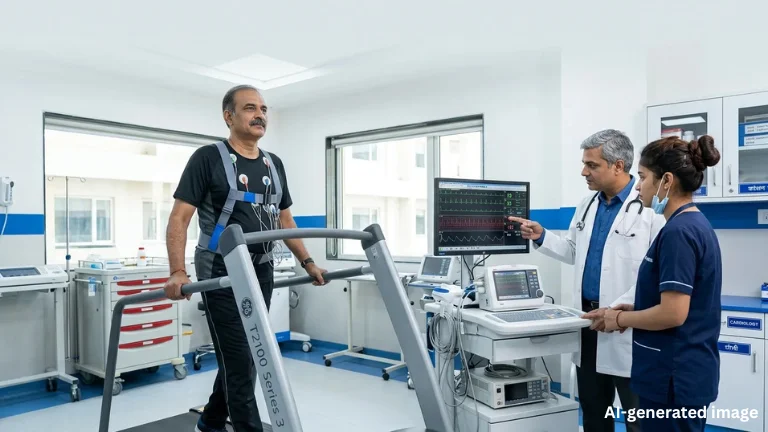
A treadmill stress test, also known as a TMT test or cardiac stress test, is one of the most commonly recommended heart screening procedures used to evaluate how your heart responds during physical activity. Since exercise makes the heart pump faster and harder, the test helps doctors understand whether blood flow to the heart is normal and whether the heart is functioning efficiently under stress.
Many people feel nervous before their first treadmill test because they are unsure about the procedure, preparation, or what the results may indicate. Understanding the procedure of the treadmill test, preparation steps, and what happens during the test can help reduce anxiety and make the experience smoother.
At Ayushman Heart & Wellness, patients are often guided through the entire process so they feel informed, prepared, and comfortable before undergoing cardiac screening procedures.
What Is a Treadmill Stress Test (TMT)?
A treadmill stress test is a non-invasive cardiac evaluation used to monitor how the heart performs during physical exertion. During the test, you walk on a treadmill while your heart rate, blood pressure, oxygen levels, and ECG readings are continuously monitored.
Doctors usually recommend a treadmill stress test to:
- Evaluate chest pain or discomfort
- Detect reduced blood flow to the heart
- Assess heart rhythm abnormalities
- Check exercise tolerance
- Monitor heart health after treatment or surgery
- Evaluate fitness before starting intense exercise programs
The test helps identify whether the heart receives enough oxygen during increased activity.
Why is preparation for the Treadmill Test Important?
Proper Preparation for the treadmill test helps ensure accurate readings and reduces unnecessary discomfort during the procedure. Small mistakes, such as eating a heavy meal, drinking caffeine, or wearing unsuitable clothing, can sometimes affect test performance and heart rate readings.
Good preparation may help:
- Improve test accuracy
- Reduce stress and nervousness
- Prevent dizziness or discomfort
- Allow smoother monitoring during exercise
- Help doctors obtain clearer ECG results
Patients often search for terms like:
- How to prepare for a treadmill stress test
- What to avoid before the TMT test
- Can I eat before the treadmill test
- Treadmill test preparation tips
- What happens during the TMT test
Understanding these concerns beforehand can make the process much easier.
What Should You Wear for a Treadmill Stress Test?
Comfort is important during the test because you will be walking continuously on a treadmill with increasing speed and incline.
It is usually recommended to wear:
- Comfortable walking or sports shoes
- Loose-fitting clothes
- Lightweight cotton clothing
- Avoid tight belts or restrictive outfits
- Avoid jewelry or accessories that interfere with ECG leads
Many people underestimate this step, but proper clothing can significantly improve comfort during the treadmill test.
Can You Eat Before a TMT Test?
One of the most commonly asked questions is:
Should You Eat Before a Treadmill Stress Test?
In most cases, doctors recommend avoiding heavy meals for at least 2–3 hours before the test. A very heavy meal may cause discomfort, bloating, acidity, or nausea during exercise.
However, you should also avoid coming on an empty stomach for long periods unless specifically instructed by your doctor.
Usually recommended:
- Light meal if needed
- Adequate hydration
- Avoid oily or spicy foods
- Avoid excessive sugar intake before the test
What Should You Avoid Before a Treadmill Stress Test?
Certain substances and activities can influence heart rate and test results.
Common things to avoid before a TMT test:
- Smoking before the test
- Alcohol consumption
- Energy drinks
- Excess caffeine
- Heavy exercise before the procedure
- Stressful physical activity
Many doctors also review medications beforehand because some medicines may affect heart rate response during the treadmill test.
How Long Does a Treadmill Stress Test Take?
Another highly searched query is:
How Much Time Does a TMT Test Usually Take?
The complete visit may take around 30–45 minutes, although the walking portion itself is usually shorter.
The process generally includes:
- Initial consultation and ECG setup
- Resting heart monitoring
- Walking on the treadmill
- Gradual increase in treadmill speed and incline
- Recovery monitoring after exercise
The duration may vary depending on age, fitness level, symptoms, and heart response.
What Happens During the Procedure of a treadmill test?
Understanding the procedure of the treadmill test can help reduce fear and confusion.
Step-by-step TMT procedure:
- ECG electrodes are attached to the chest
- Blood pressure and heart rate are monitored
- The patient starts walking slowly on the treadmill
- Speed and incline gradually increase every few minutes
- Doctors monitor ECG changes and symptoms continuously
- The test stops if the target heart rate is achieved or symptoms appear
During the procedure, some people may experience:
- Mild tiredness
- Sweating
- Faster heartbeat
- Shortness of breath during exertion
These responses are usually expected during exercise monitoring.
Is a Treadmill Stress Test Painful?
This is another common concern among first-time patients.
Does a TMT Test Hurt?
A treadmill stress test is generally non-invasive and painless. There are no injections, cuts, or surgical procedures involved.
Most individuals simply feel physical exertion similar to brisk walking or climbing stairs. However, the medical team closely monitors patients throughout the test to ensure safety and comfort.
If symptoms such as severe chest pain, dizziness, extreme breathlessness, or abnormal ECG changes appear, the test may be stopped immediately.
Who Should Consider a Treadmill Stress Test?
Doctors may recommend a TMT test for individuals experiencing:
- Chest pain during activity
- Shortness of breath
- Palpitations
- Fatigue during exercise
- High blood pressure
- Family history of heart disease
- Diabetes or cholesterol imbalance
People starting intense workout routines may also undergo preventive cardiac screening to evaluate heart performance during physical activity.
At Ayushman Heart & Wellness, treadmill stress testing is often used as part of broader heart wellness evaluation and preventive cardiac care.
What Do TMT Test Results Indicate?
TMT results help doctors understand how efficiently the heart functions during physical stress.
The test may help identify:
- Reduced blood supply to the heart
- Coronary artery disease risk
- Abnormal heart rhythms
- Exercise-induced cardiac symptoms
- Heart recovery efficiency after exertion
However, a treadmill test alone may not always provide a complete diagnosis. Doctors may sometimes recommend additional investigations depending on symptoms and findings.
Can Anxiety Affect TMT Test Results?
Yes, stress and anxiety can sometimes affect heart rate and blood pressure during testing.
How to Stay Calm Before a Treadmill Test?
Helpful tips include:
- Get proper sleep the night before
- Avoid panic-reading symptoms online
- Wear comfortable clothes
- Reach early to avoid rushing
- Practice calm breathing
- Stay hydrated
Feeling slightly nervous before a heart test is common, especially for first-time patients.
Smart Preparation Leads to Better Heart Screening Experience
A treadmill stress test is an important diagnostic tool that helps evaluate heart function during physical activity. Understanding the Preparation for the treadmill test, knowing the procedure of the treadmill test, and following simple pre-test instructions can make the experience smoother and less stressful.
Whether the test is recommended for preventive heart screening, chest discomfort, exercise evaluation, or ongoing cardiac monitoring, proper preparation plays a major role in obtaining accurate results and improving patient comfort.
Staying informed, calm, and prepared helps individuals approach the test with greater confidence while supporting better heart health awareness and early detection of potential concerns.
